Family-owned. Texas-focused. Better water starts here.

Water softeners · San Antonio & Austin

Less buildup.
A softer everyday.

Hard-water spots, scale around faucets, and stubborn soap residue can all start with calcium and magnesium. Let’s understand your hardness before choosing a system.
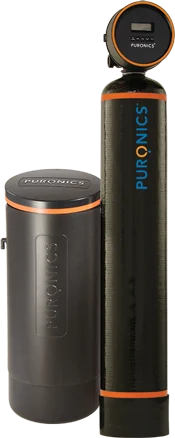
Puronics Defender water softener and filtration system

The local context

Hardness is common.
Your home is individual.

SAWS reports a typical water hardness range of 15–20 grains per gallon. That is a utility-level range, not a measurement at your address.

Hardness describes naturally occurring calcium and magnesium. It is not itself a health hazard. For a homeowner, its practical effects can include mineral spots, scale, and soap residue.

Understand San Antonio’s water →

What softening addresses

Minerals that leave their mark.

  • 01
    Mineral deposits

    Reduce hardness that contributes to buildup on fixtures and water-using equipment.

  • 02
    Soap interaction

    Soft water changes how soap lathers and rinses.

  • 03
    Household care

    Make hardness management part of your home’s water-treatment plan.

How softening works

A mineral exchange,
inside the tank.

Conventional softeners use resin, then regenerate it for continued use.

01

Water meets resin.

Incoming water passes through resin beads that exchange calcium and magnesium for sodium or potassium ions.

02

Resin is renewed.

A brine solution regenerates the resin when required. This uses salt or potassium and a drain connection.

03

The cycle continues.

Correct sizing, settings, and regular care help the system keep up with your household’s water use.

A closer look · Puronics

What happens
inside a softener?

A simple manufacturer demonstration of hard water, ion exchange, and everyday use.

Video by Puronics Water Systems. Playback loads YouTube only when you choose to watch.

Good questions. Clear answers.

Softening, explained.

Still wondering about your water?

Ask Paramount →
Is a softener the same as a water filter?

No. Softening targets hardness minerals. Filtration targets substances according to the filter media and documented claims. The featured Defender iGen C combines these functions.

Does a softener use salt?

Conventional ion-exchange systems use salt or potassium chloride during regeneration. Discuss refill needs, operating requirements, and your household preferences with Paramount.

What if sodium is a concern?

Sodium-based softening adds sodium in proportion to the hardness removed. Discuss your preferences with Paramount and any dietary questions with a qualified health professional. A separate drinking-water treatment setup may be worth discussing.

How do you choose the right size?

Sizing should consider measured hardness, household water use, peak flow, and available space. A product name alone is not enough to choose the appropriate capacity.

Start with your water. Not a sales pitch.

Your home.
Your water. Our help.

Find out what makes sense for your household with a free water test and a conversation with Paramount.

Book a free water test ↗Or call 210-560-6191No obligation · San Antonio & Austin areas